
Environment & Sustainability, Parliament
Singapore’s Transboundary Haze Bill: Key Changes Explained
4 November 2026
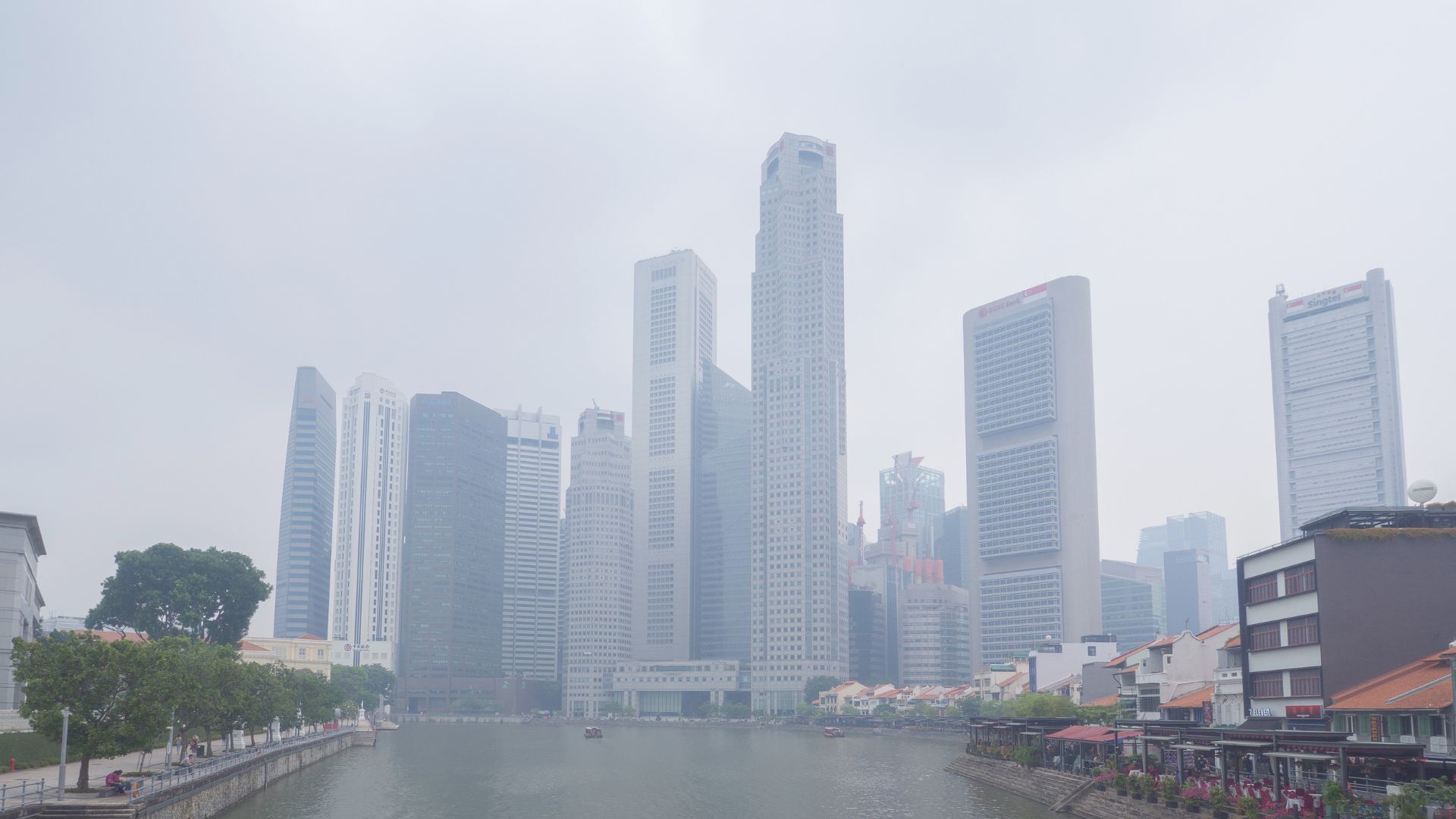
Singapore is strengthening its laws to tackle transboundary haze more effectively. The Transboundary Haze Pollution (Amendment) Bill will allow us to better establish the facts, hold errant entities more accountable, remove investigative and legal hurdles, ensure responsible action and increase deterrence against irresponsible burning.
Why is Singapore strengthening its haze laws?
Transboundary haze can be difficult to investigate because the evidence and entities involved may be overseas.
Singapore introduced the Transboundary Haze Pollution Act (THPA) in 2014 to hold those responsible for transboundary haze accountable. However, enforcing laws against activities that take place overseas is challenging. Complex corporate structures and supply chains can make responsibility difficult to trace. Overseas entities may also refuse to cooperate or remain outside Singapore.
The amendments will strengthen cross-border investigations and enforcement. Singapore will use these powers in a measured and proportionate way, while respecting other countries’ sovereignty and international law.
How will Singapore trace who is linked to a fire?
Independent expert assessments will help uncover complex corporate links to fires.
Entities with suspected links to haze pollution in Singapore will be required to appoint expert private-sector assessors at their own expense. The assessors will report directly to the National Environment Agency (opens in new tab) (NEA), which will establish the facts and decide whether further action is needed.
Being directed to appoint an assessor does not mean that an entity has committed, or is suspected of committing, an offence. Assessors will establish the facts, not determine guilt. Enforcement decisions will remain with the relevant authorities, while the courts determine liability.
How will Singapore hold errant entities accountable?
The Government will be able to restrict business dealings with designated entities and individuals.
The Minister for Sustainability and the Environment may designate those who:
have been convicted of a THPA offence;
are known or reasonably suspected to have engaged in conduct constituting an offence; or
have failed to comply with relevant directions or notices.
Restrictions may cover goods, services, loans and other financial support. Dealing with a designated entity or individual will be an offence.
Where restrictions concern services provided by financial institutions, the Minister-in-charge of the Monetary Authority of Singapore (opens in new tab) (MAS) will determine and administer the relevant orders to hold designated entities accountable.
How should companies manage haze risks in their supply chains?
Certain companies may be required to address links between their business arrangements and fires that pose a haze risk to Singapore.
This may apply to entities, including large forestry and agricultural corporations, connected to activities associated with burning. Companies will be expected to identify and manage risks in their supply chains and business arrangements. Failure to comply without reasonable excuse will be an offence.
While companies will not have to guarantee that no risk will arise, they must take appropriate steps to prevent links to irresponsible practices.
What if an overseas entity does not cooperate?
The amendments will remove investigative and legal hurdles, to prevent entities from frustrating enforcement.
Legal documents may be served electronically or through other specified methods, including publication in public media or on NEA’s website (opens in new tab). The Director-General of Environmental Protection and authorised officers will also have powers of arrest in Singapore, where necessary and in accordance with the law.
In specified circumstances, court proceedings may continue without the accused being present. The court must first be satisfied that the accused was properly served and informed that proceedings could continue in their absence, and that there is no sufficient reason to adjourn the case.
How will Singapore ensure entities take responsible action?
Entities cannot simply say that another person caused the fire.
An entity relying on this defence must prove that:
another person caused the fire without its knowledge; and
it took reasonable measures to prevent and fight the fire.
We will also expand provisions so Singapore can act when an overseas fire poses a risk of haze reaching us. A committee will advise the Director-General of Environmental Protection on haze-risk assessments.
What are the penalties for transboundary haze offences?
The maximum fine for the main offence will increase tenfold.
Existing and Amended Maximum Fines under the THPA
Penalty | Current | New |
|---|---|---|
Maximum daily fine | $100,00 per day (capped at $2 million) | $1 million per day (capped at $20 million) |
Other THPA penalties will increase proportionately.
The court may also impose an additional penalty based on profits gained or losses avoided through the offence.
NEA may, with the Public Prosecutor’s consent, apply to the court for a civil penalty of up to $10 million. This provides another enforcement option, including where criminal proceedings against an overseas entity are difficult.
An entity will not face both a civil penalty and criminal prosecution for the same case.
Will the Bill prevent transboundary haze for good?
The Bill alone cannot solve transboundary haze, but it will strengthen Singapore’s ability to act within its jurisdiction. The amendments will help Singapore establish responsibility, intervene earlier and impose meaningful consequences on errant entities.
Singapore will also continue working with its neighbours to strengthen regional cooperation and prevent fires at source.