
Parliament, Transport
Will AI Take Away Transport Jobs in Singapore?
8 July 2026
What the Future of Transport Means for Workers and Commuters
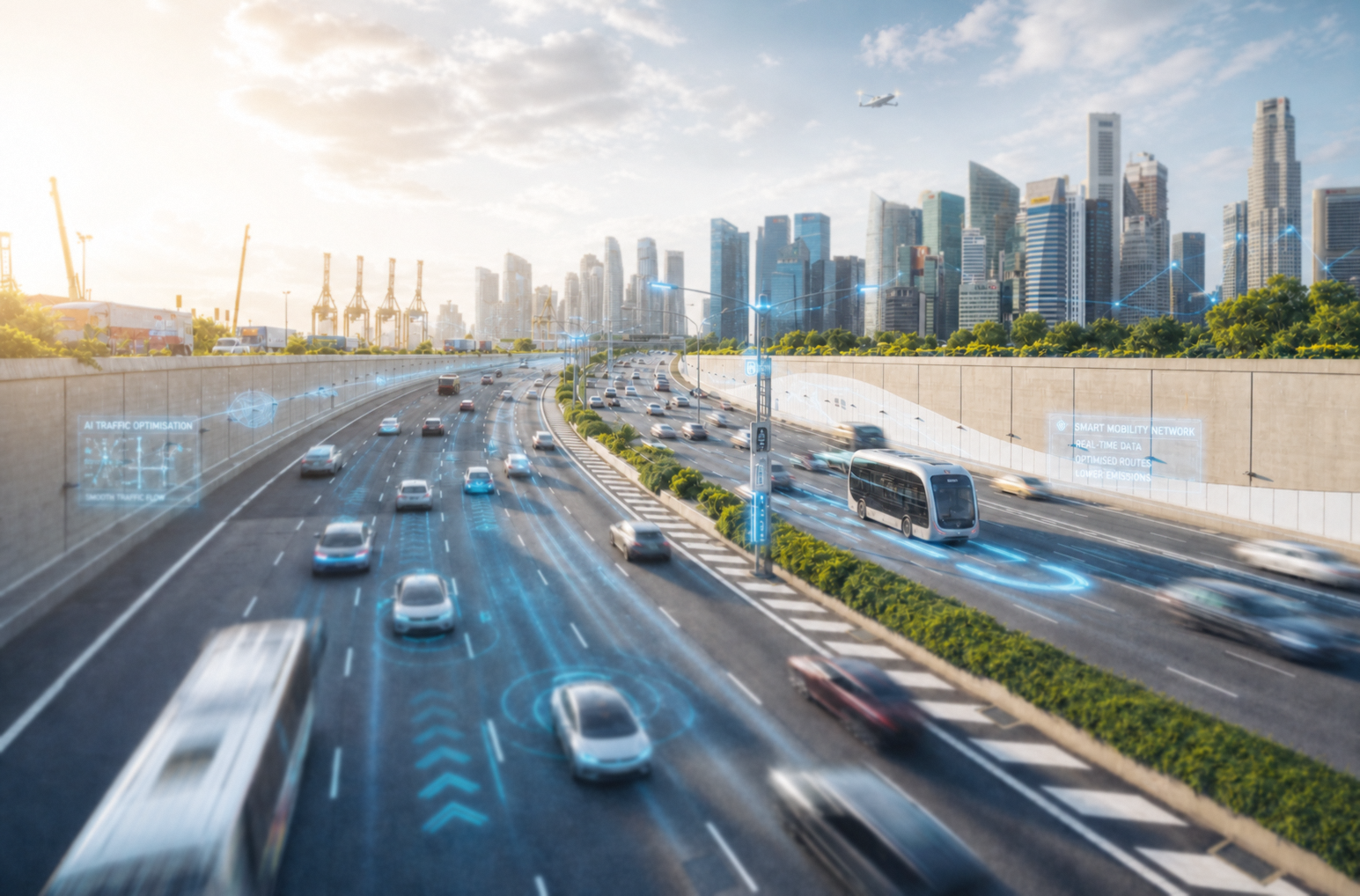
Singapore is investing $800 million over the next five years in transport research and innovation, while helping workers move into better, higher-skilled roles as technology changes the way we work. From fully automated MRT depots to AI-enabled air traffic management system and smart seaport networks, the way land, air, and sea transport operates looks set to undergo a major transformation. This was the focus of the Future of Transport Motion as widely discussed in Parliament on 7 July 2026.
Why is Singapore investing in the Future of Transport?
Transport affects almost every aspect of daily life. As a critical foundation of Singapore’s economy, it powers our commutes, connects Singapore to the rest of the world as well as supports local jobs and livelihoods.
Transport contributes about 10% of Singapore's GDP.
It contributes around 7% of all jobs across aviation, maritime, logistics and land transport industries in Singapore.
As competition between global transport hubs increases, Singapore must continue to innovate to stay future-ready, while creating better jobs and opening new opportunities for our future generations.
How Will Technology Improve Jobs in the Transport Sector?
Technology can help make these jobs safer, more productive and higher skilled, while creating new career opportunities across aviation, maritime, logistics and land transport. Singaporeans can then have continued access to good jobs as transport operations transform in areas such as:
Autonomous systems and robotics
AI-enabled air traffic management system
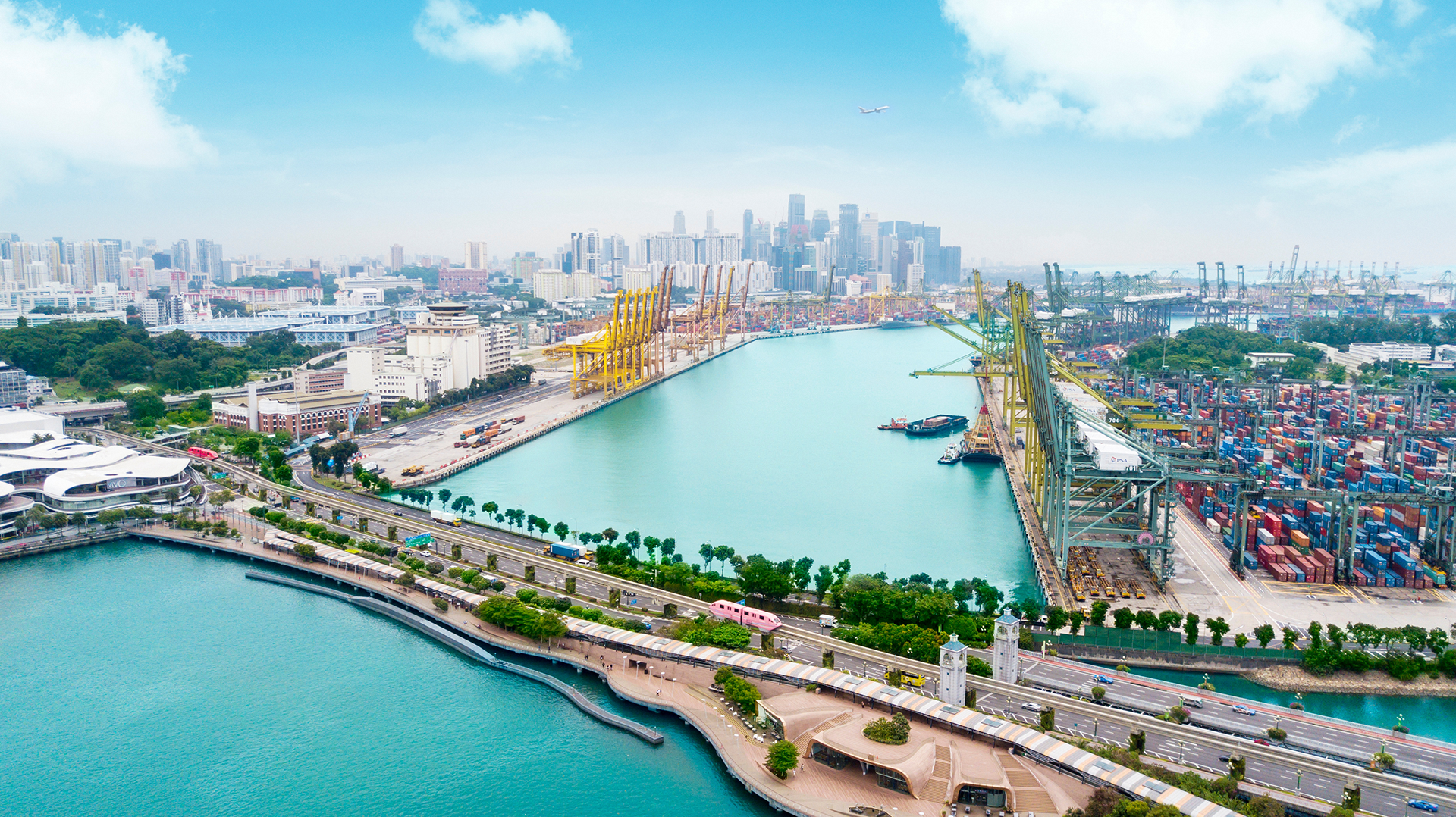
Smart seaport networks
Automated rail maintenance and operations
Across the air, sea, and land transport domains, technology is already shaping up the future of transport as one that is more efficient and resilient, while expanding opportunities for our workers. For instance:
At Changi Airport, AI and automation are being explored to reduce manual and repetitive work, allowing workers to focus on higher-value tasks.
In maritime operations, AI and robotics can help optimise vessel movements, reduce waiting times and improve port network efficiencies.
For rail and road operations, AI sensors and drones have been deployed to take on routine inspection of our infrastructure, enhancing productivity and enabling workers to focus on tasks that call for human expertise and judgement.
How Will AI and Automation Improve Journeys?
AI and automation will help make journeys across land, sea and air smoother, safer and more reliable. This helps reduce delays, improve efficiency and keep Singapore connected to the world.
Aviation sector
An AI-enabled air traffic management system can better match flight demand with airport capacity, reducing congestion and delays.
What this means for you as a traveller:
Faster check-ins and baggage handling
Fewer delays
Smoother airport journeys
Maritime sector
AI, robotics and autonomous technologies will transform maritime operations by helping ports move cargo more efficiently and keep global trade flowing smoothly.
What this means for consumers and businesses:
More reliable supply chains
Goods reaching Singapore quicker
Stronger connectivity to global markets
Land transport sector
AI and automation can make land transport safer and more efficient, from autonomous vehicles to fully automated MRT depots that maintain trains more effectively.
What this means for commuters:
More reliable train and bus services
Faster recovery from disruptions
Better and potentially new transport options in the future
Will AI and Autonomous Vehicles Replace Taxi and Private Hire Vehicle Drivers in Singapore?
Not anytime soon.
Today, Singapore has more than 70,000 taxi and private-hire drivers. In comparison, there are only around 20 autonomous vehicles on our roads, mostly in trials. Even if every autonomous vehicle in operations around the world were brought to Singapore, they would still represent only a small fraction of Singapore’s taxi and PHV fleet. In short, human drivers are not expected to disappear anytime soon.
As AV technology continues to advance and autonomous vehicles complement the transport system over time, the Government and tripartite partners will proactively help drivers gradually adapt and upskill to benefit from new opportunities created by technological changes.
The Ministry of Transport (opens in new tab) announced that the Government is working closely with unions and industry partners on support measures, including a manpower transition package, to help drivers stay ahead with training, career guidance and employment support as technology evolves.
What New Jobs will AI Create in the AV Sector?
New opportunities created by AI and automation in the transport sector are likely to be higher-skilled technology and engineering roles that cover such job aspects:
Software development
Autonomous vehicle operations and fleet management, including remote supervision and control centres
AI robotics design, operations and maintenance as well as software analysis/engineering and applications
R&D efforts in next-generation testing, validation, regulation and certification frameworks as well as safety quality and assurance systems involving autonomous technologies
How Is Singapore Preparing Students for Transport Jobs?
Singapore is strengthening links between schools and industry, with a focus on AI skills, automation, robotics, engineering and transport operations, to support youths to gain hands-on experience before they graduate.
Examples include:
Structured attachments with rail operators under ITE's Higher NITEC in Rapid Transit Engineering
Stronger partnerships between transport companies and Institutes of Higher Learning Opportunities for students to learn directly from transport operators and engineers
These programmes help young Singaporeans gain practical experience in real-world transport operations to better understand what their transport careers look like and can develop into even before they enter the workforce.
How Is Singapore Supporting Transport Workers Adapt to AI and Automation?
Support looks different depending on the transport sector:
Land transport sector | Aviation sector | Maritime sector |
AV manpower transition package for taxi and PHV drivers comprising:
|
|
|
The Future of Transport Motion is not just about cementing Singapore’s position as a world class transport hub. More importantly, it is about how we are supporting workers to upskill and move into higher-value jobs as AI and technology transform the transport sector, ensuring no Singaporeans are left behind amidst a changing world.